
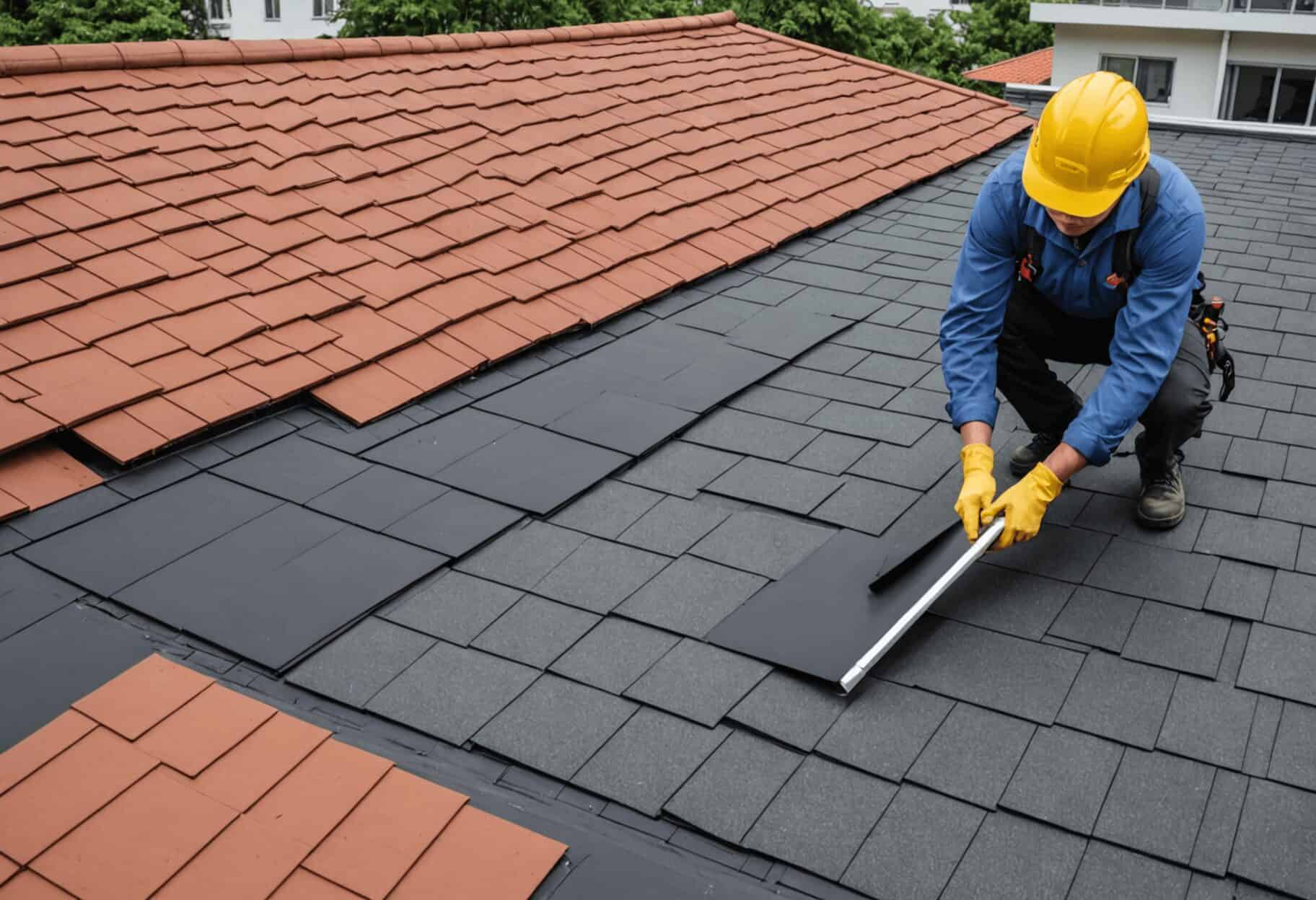
A roof ranks as one of the most vital parts of any home or business building in Singapore. It blocks heavy rain and harsh weather while adding real value to the property. But even tough roofs can wear down over time. Deciding whether to repair or replace a roof takes careful thought, looking at cost, damage severity, and future perks. Understanding price gaps and what fixes or swaps really involve helps building owners pick the smartest option. Learn secrets that can stretch your budget and make a roof last way longer than you think. Keep reading to discover how to protect your investment and avoid costly surprises.
In Singapore’s humid climate, roofs are prone to problems such as leaks, moss growth, and structural wear. Addressing these issues promptly not only extends the lifespan of your roof but can also save you money in the long run. This guide will explore the factors influencing the cost of roof repair versus replacement, provide practical tips on choosing the right approach, and highlight what you need to consider before making a decision. Whether you’re a homeowner or a business owner, having clear insights can help you make informed, cost-effective choices that protect your property and your peace of mind.
Understanding the Costs of Roof Repair in Singapore
Roof repair in Singapore typically involves addressing specific issues like leaks, damaged tiles, or minor structural damage. Repairs are generally less expensive than full replacement but are only suitable when damage is localized or recent. The cost of repairs depends on several factors such as the type of roofing material, the extent of damage, and accessibility.
Factors Influencing Repair Costs
- Type of Roofing Material: Common materials like asphalt shingles, metal sheets, or clay tiles have different repair costs. For example, replacing damaged asphalt shingles can be affordable, while repairing metal roofing may require specialized skills.
- Extent of Damage: Minor issues like cracked tiles or small leaks usually cost less to fix. Extensive damage, such as large sections of roof affected by leaks or structural issues, can increase expenses.
- Accessibility and Roof Height: Roofs that are difficult to access or located at higher elevations may incur higher labor costs due to safety measures and equipment needs.
On average, roof repairs in Singapore can cost anywhere from S$200 to S$2,000, depending on the complexity. Small repairs like patching leaks or replacing a few tiles are usually at the lower end, while fixing extensive damage or replacing parts in hard-to-reach areas may push costs higher. It’s wise to get a detailed quote from a reputable contractor to evaluate your specific situation accurately.
When Is Roof Repair Sufficient?
Deciding to repair your roof hinges on the damage’s severity and the age of the roof. Repairs are often the practical choice when issues are localized or recent, and the overall roof structure is still sound.
Signs That Repair May Be All You Need
- Minor Leaks: Small, isolated leaks can often be fixed through patching or sealants and are cost-effective to repair.
- Damaged or Missing Tiles: Replacing individual tiles is relatively inexpensive and can prevent further damage.
- Moss or Algae Growth: Cleaning and treating surfaces to remove moss or algae can restore appearance and function without replacing the entire roof.
Regular inspections can help identify these issues early. Well-maintained roofs with minor damage can often be restored at a fraction of the cost of replacement, prolonging their lifespan significantly. However, if repairs are frequent or the damage affects a large portion of the roof, it may be signaling the need for more extensive measures.
Costs and Considerations for Roof Replacement in Singapore
Roof replacement involves removing the existing structure and installing a brand-new roof. While this is a more substantial investment, it can be the more cost-effective choice in the long term if your current roof is aging or extensively damaged. The cost of replacing a roof varies widely, influenced by material choices, roof size, and additional factors like structural reinforcement.
Typical Cost Range for Roof Replacement
- Mid-Range Materials: Using materials like asphalt shingles or basic metal sheets typically costs between S$10,000 and S$25,000 for an average-sized home.
- Premium Materials: High-end options such as premium metal roofing, tiles, or special finishes can elevate costs to S$30,000 or more.
- Additional Expenses: Structural repairs, insulation upgrades, and waterproofing can add to the total expense.
It’s essential to work with experienced contractors to get accurate estimates tailored to your property. Remember, investing in high-quality materials and skilled labor can significantly extend your roof’s lifespan, making the upfront expense more justifiable over time.
Deciding Between Repair and Replacement in Singapore
The choice between repairing or replacing your roof depends on age, damage extent, and budget considerations. An older roof with recurring issues may justify the investment in a full replacement to avoid continuous repair costs. Conversely, minor problems in a relatively new roof are more economical to fix.
Evaluating Your Roof’s Condition
- Age: If your roof is over 20-25 years old, replacement might be a better long-term solution, especially if repairs become frequent.
- Damage Extent: Extensive structural damage or multiple recurring leaks suggest replacement, whereas localized issues favor repair.
- Budget: Consider immediate costs versus future expenses. Sometimes, investing in a new roof can be more cost-effective over several years.
Engaging a professional inspection can provide clarity. Experts can assess your roof’s condition and recommend the most suitable action, ensuring safety and value for your investment. It’s also worthwhile to check recent projects or testimonials before hiring a contractor.
Practical Tips for Cost-Effective Roof Maintenance in Singapore
Maintaining your roof can significantly reduce repair or replacement costs. Regular inspections, timely repairs, and preventive measures help preserve your roof’s integrity. Here are some practical tips:
- Schedule Annual Inspections: Hire a professional to check for damage, leaks, or moss growth at least once a year, especially after storms.
- Keep Gutters Clear: Regularly clean gutters and downspouts to prevent water accumulation that can damage your roof and structure.
- Address Small Issues Promptly: Do not ignore minor leaks or damage. Addressing them early prevents escalation.
- Use Quality Materials: When repairs are necessary, opt for durable, weather-resistant materials to extend the lifespan of your roof.
- Work with Reputable Contractors: Ensure your service provider is registered, experienced, and transparent with quotes and timelines.
For complex issues such as persistent leaks, it is advisable to consult specialists. Sometimes, a simple leak might hint at underlying problems, which if not addressed, could result in costly repairs down the line. You can also visit https://waterleakage.sg/ for guidance on water leak prevention and repairs.
Summary and Final Recommendations
Choosing between repairing or replacing your roof in Singapore involves evaluating the extent of damage, age of the existing structure, and your budget. Repairs are suitable for localized or minor issues, making them a cost-effective option for relatively new roofs. However, if the damage is widespread or your roof is nearing the end of its lifespan, investing in a replacement may save you money and headaches in the future.
Remember that regular maintenance plays a vital role in prolonging your roof’s lifespan and avoiding costly repairs or replacements. Conduct annual inspections, address small problems early, and choose reputable professionals to ensure quality work. Regardless of your choice, making an informed decision based on expert advice and thorough assessment will help you protect your property and maximize your investment. When in doubt, consulting qualified roof specialists can provide reassurance and clarity, ensuring your home remains safe, dry, and secure for years to come.